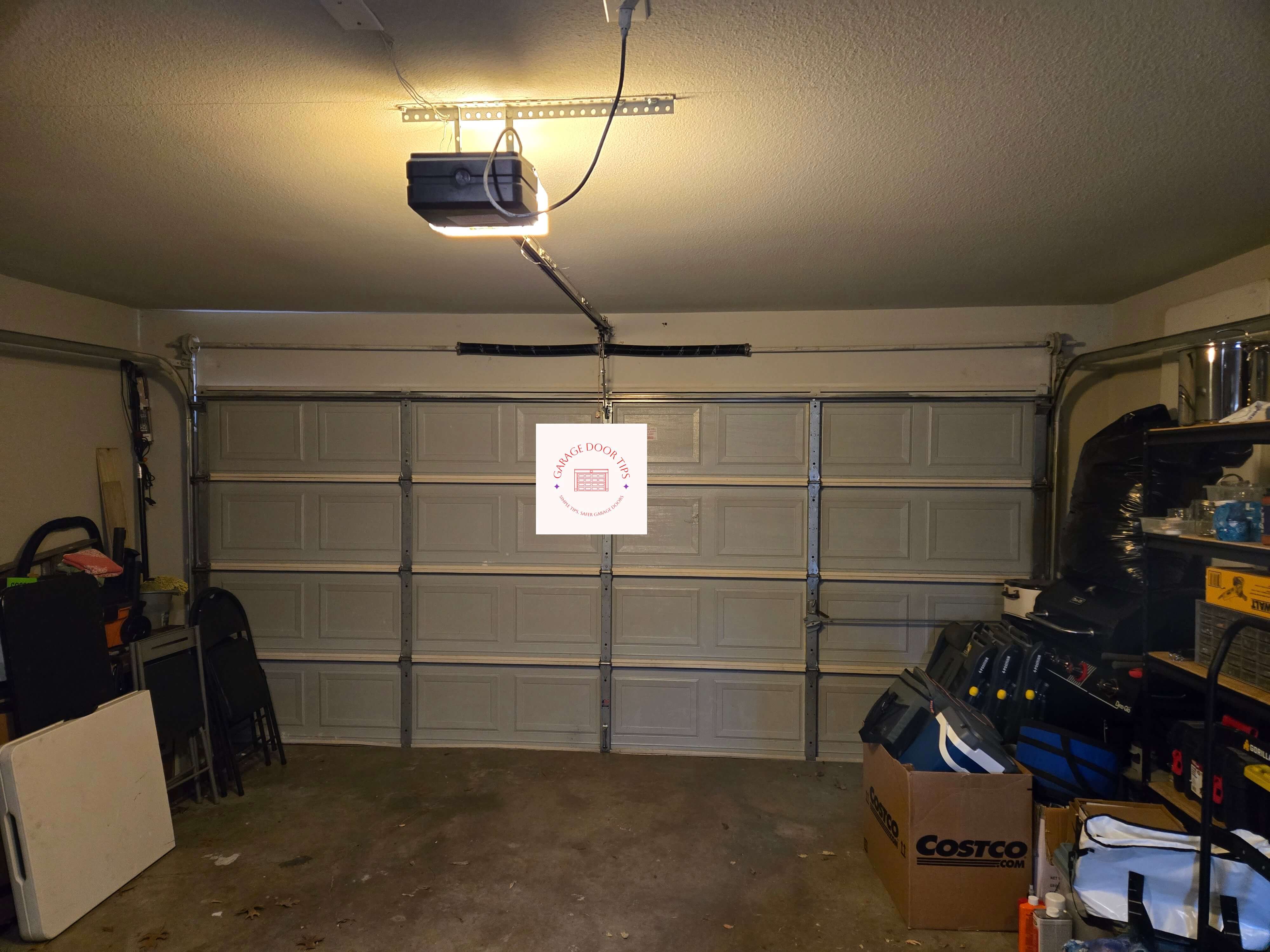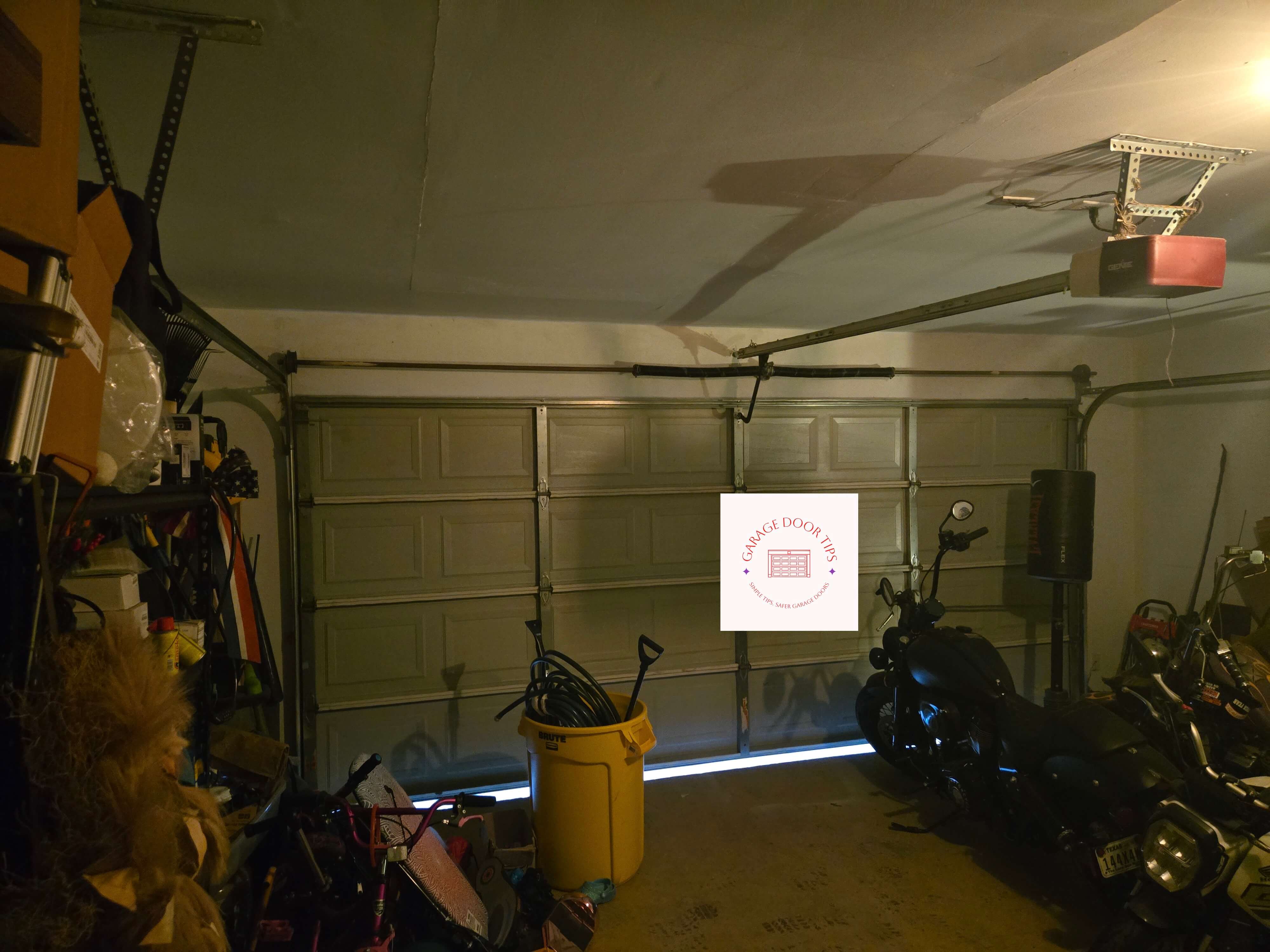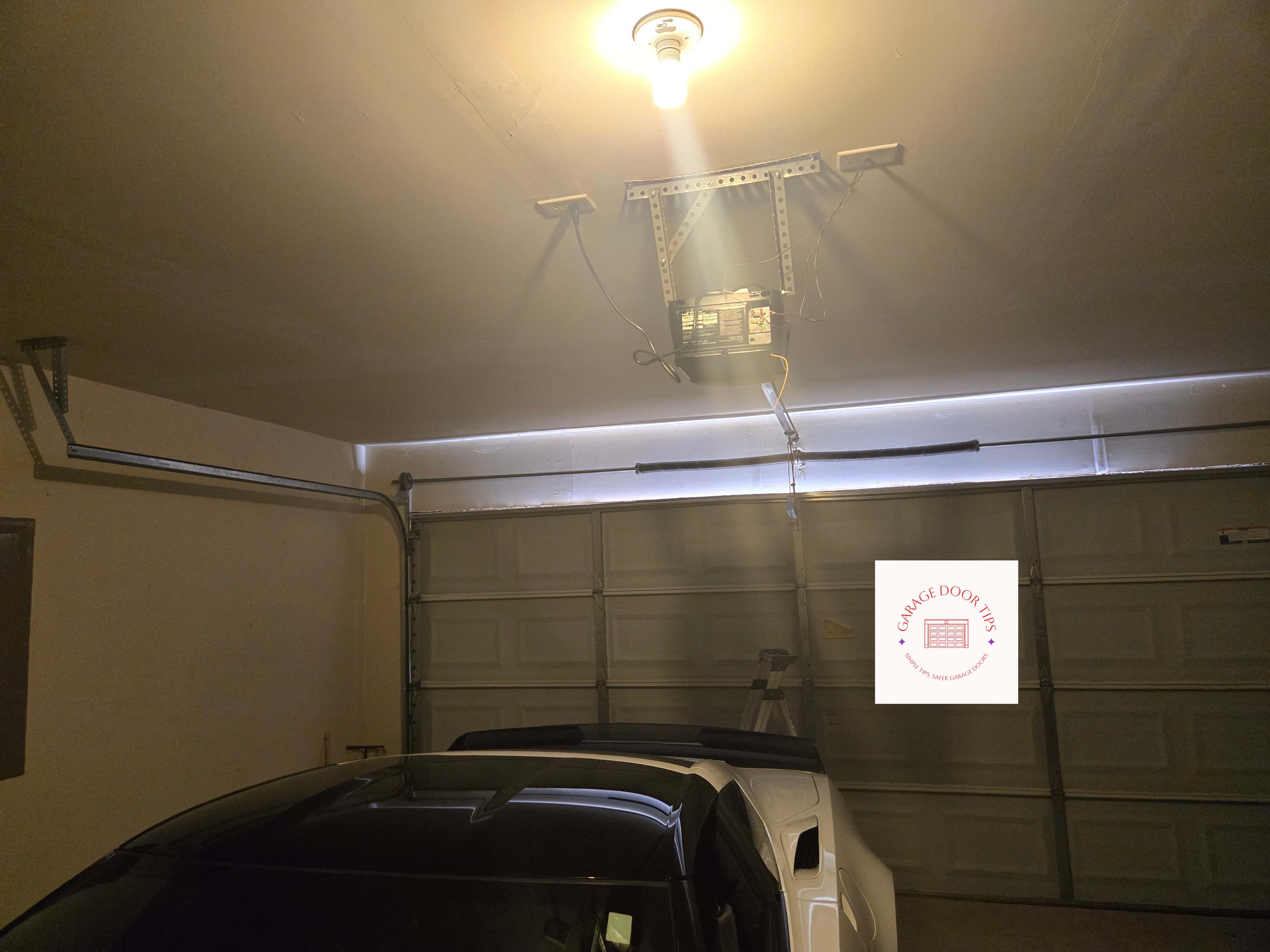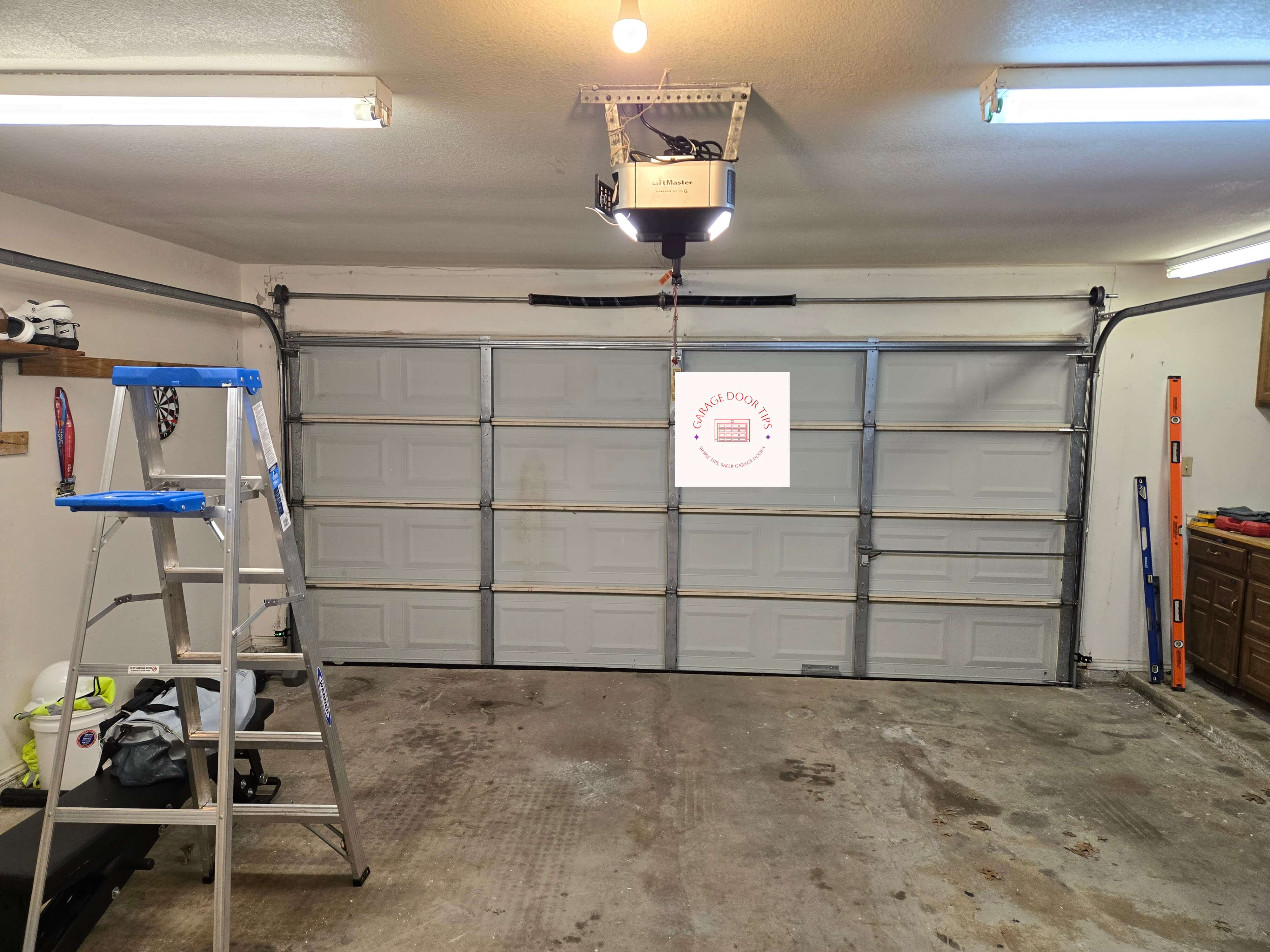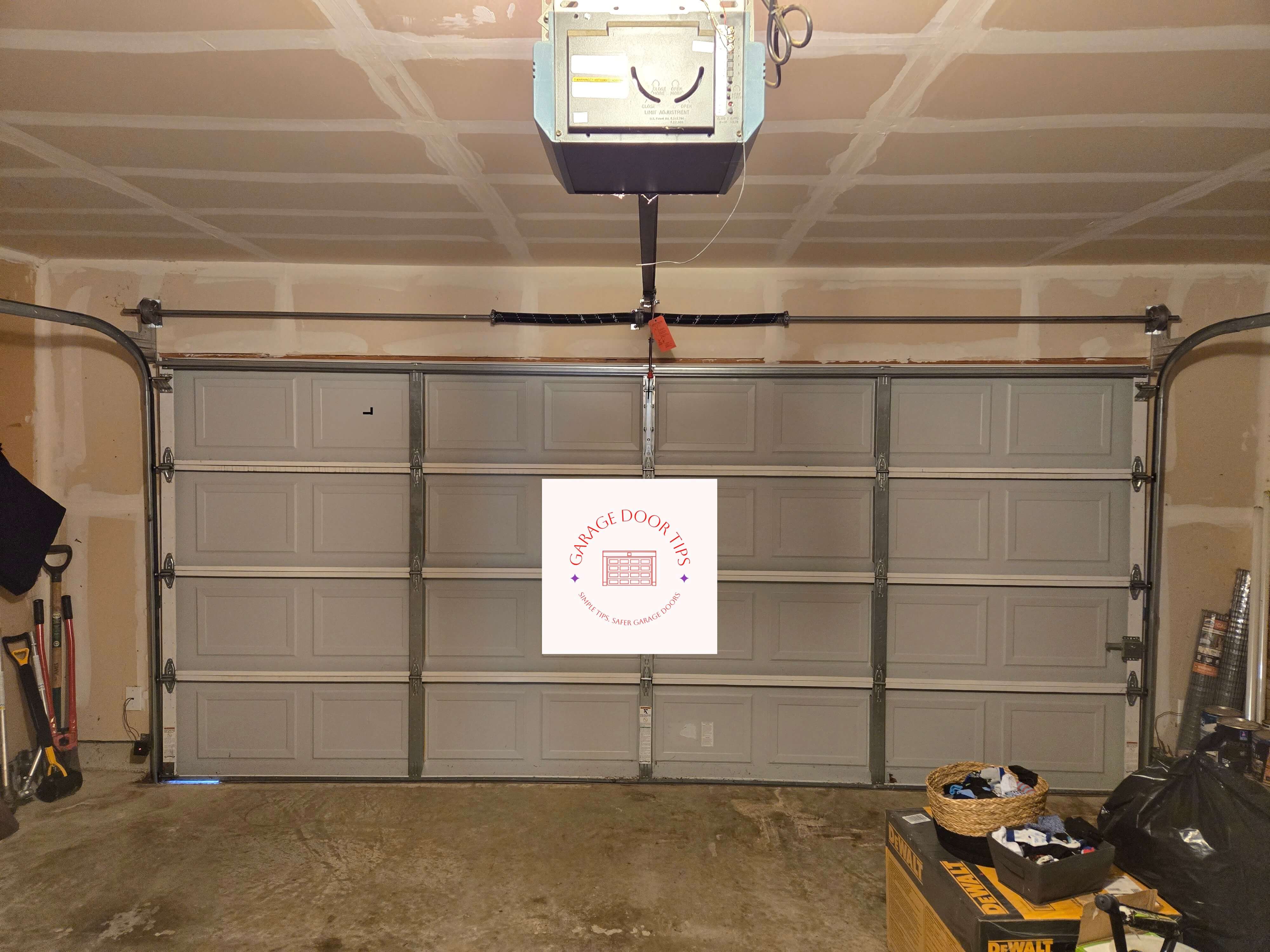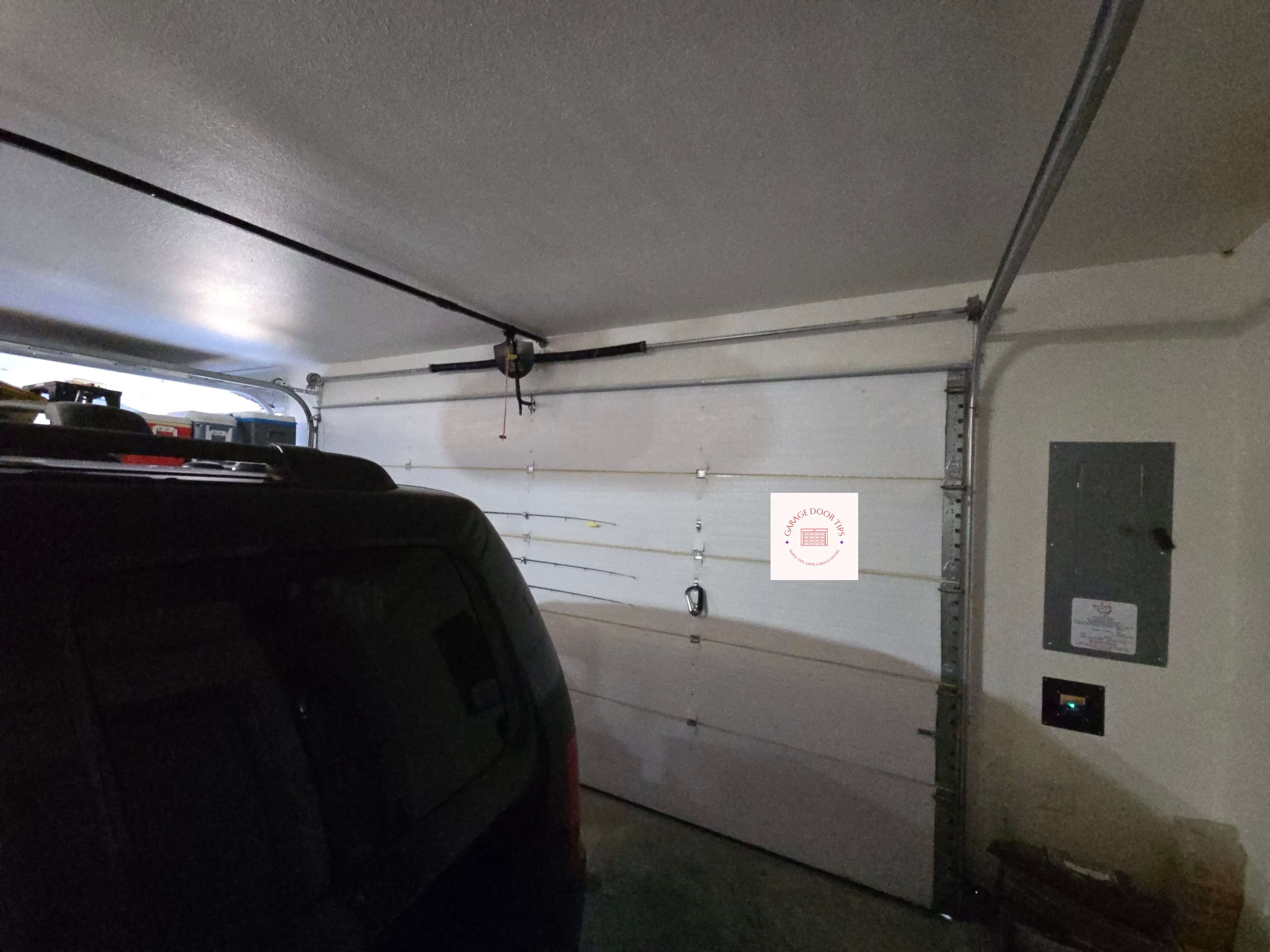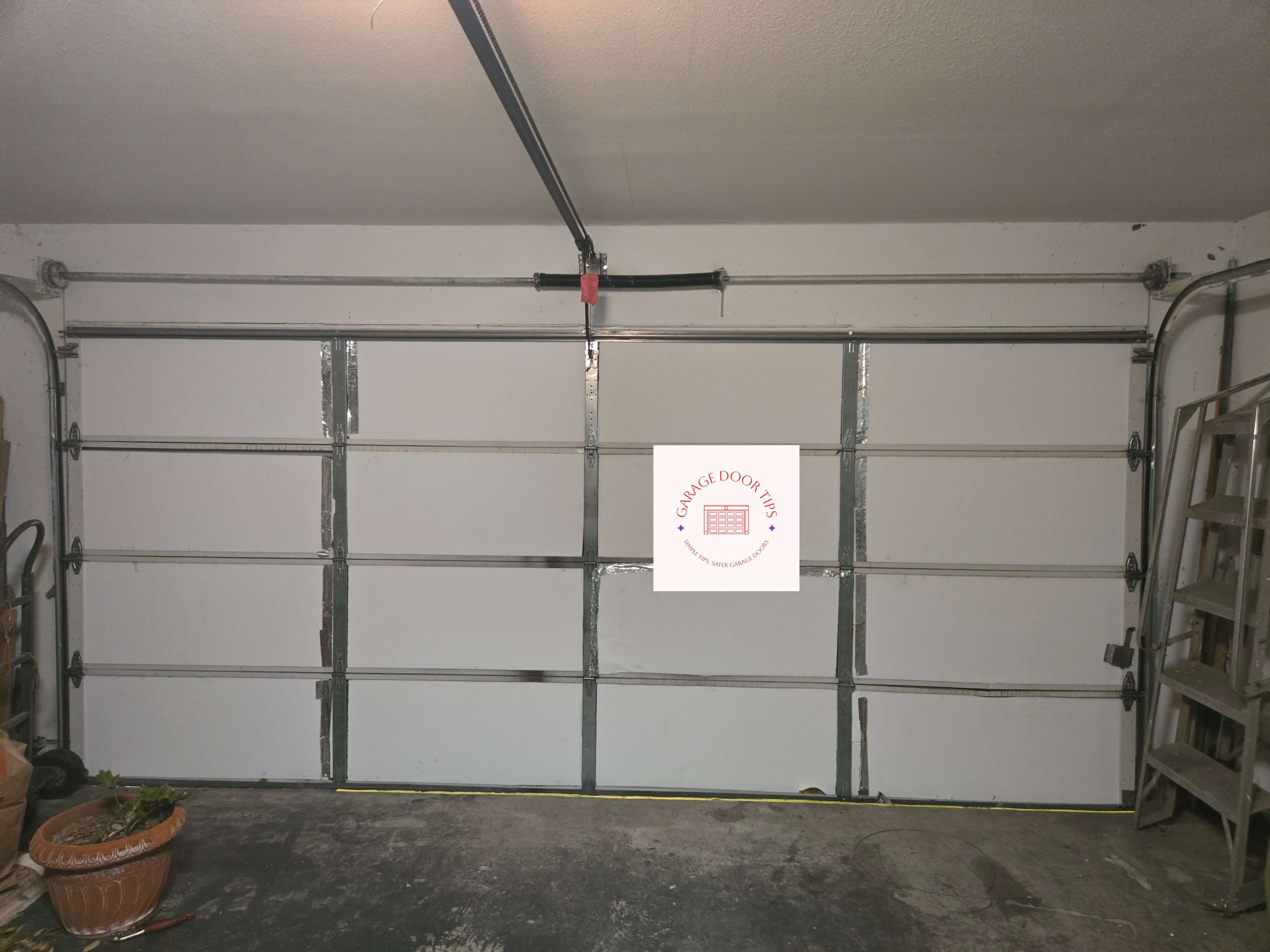

insulated-garage-door-repair.jpg
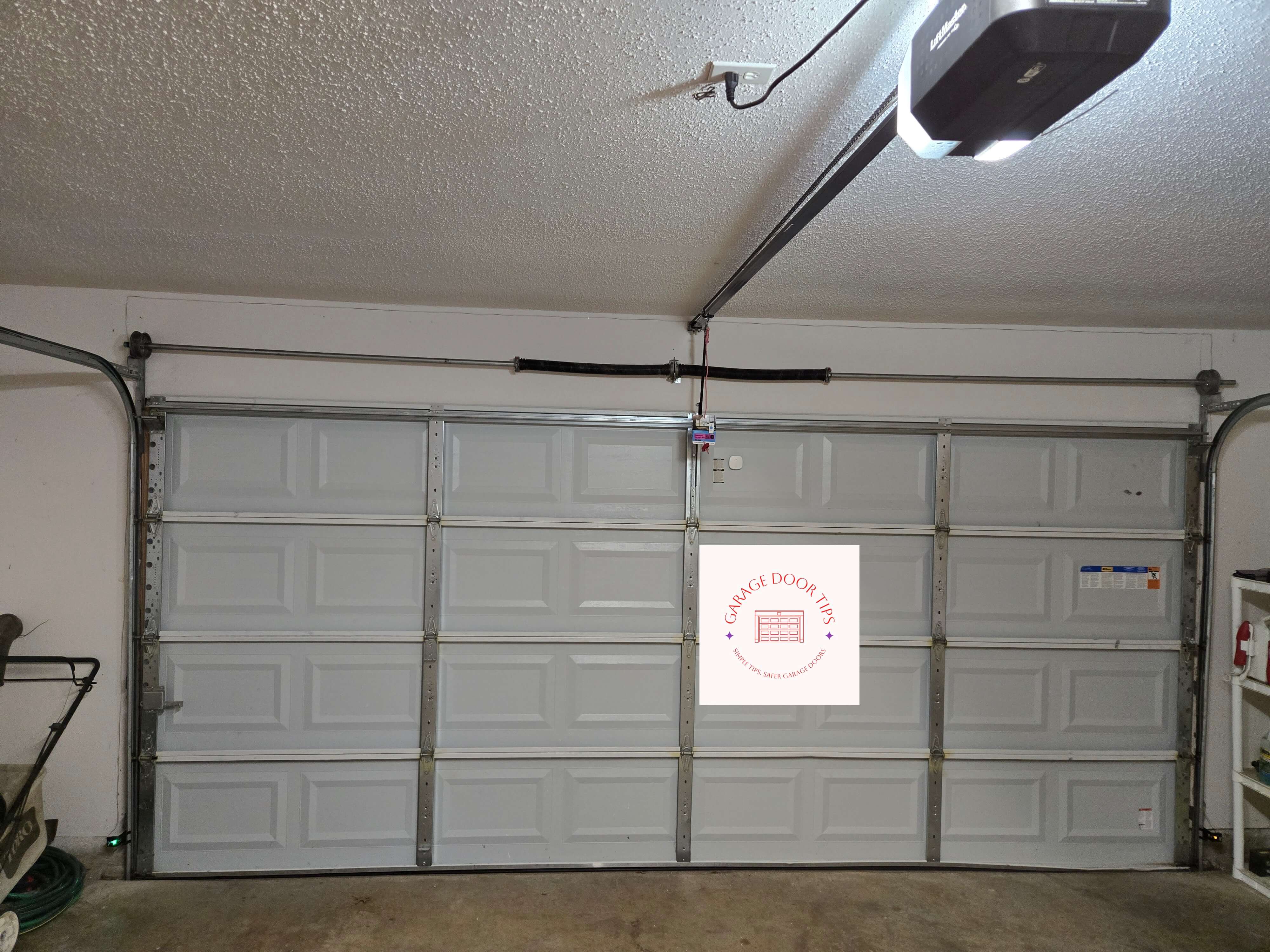
Garage Door balance

Why Garage Door Balance is important

A balanced door is less of a strain on the opener, will return up when partially closed should you ever need to leave, less likely to cause injury or damage if it falls, and will last longer, requiting fewer repairs in the long run.

How to Tell if Your Garage Door Is Balanced

  • Step 1: Make sure the garage door is closed
    If you have an automatic garage door opener, make sure it’s disconnected and the door is closed before you start.

  • Step 2: Lift the door
    Lift the door using the emergency release handle and lift the door to about waist level. Let go of the door and see what it does.

  • Step 3: Check the door
    If the door stays in place, it’s properly balanced. If it goes up, the springs are too strong. If the door goes down, the springs are too weak.

  • Step 4: Try the door in different positions
    While this test can show if your door is seriously out of balance, you should also test the door in a few different positions to make sure.

  • Step 5: Repeat the test with the door partially open and a foot off the ground
    The door should stay put. Test it again when it’s nearly open. It should stay put when it’s almost fully raised as well.

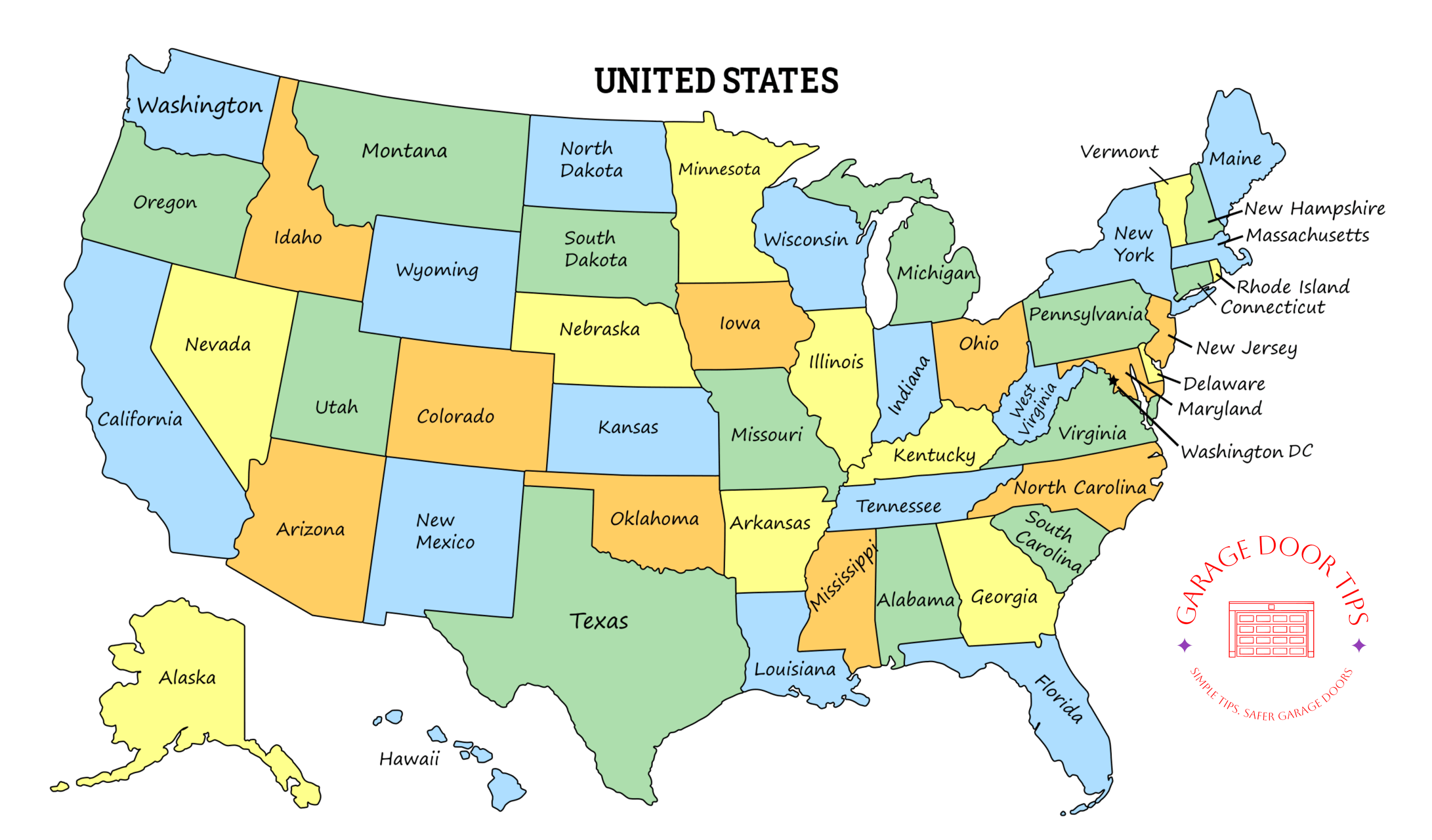
usa-states-map
liftmaster-chain-drive-repair
Lubricate Springs

Importance of Lubricating Garage Door Springs

Lubricating garage door springs plays a crucial role in minimizing the friction that occurs between metal coils as the door goes up and down, since when it is properly lubricated it reduces wear of the springs and makes them last longer. Lubrication also helps the door function better, which over time can make that extension or torsion spring door easier to open and close. Some other advantages of lubricating your garage door springs include:

  • The reduction of rust and corrosion which happens often over time and easily in humid or dusty areas.

  • Noise reduction. A well-lubricated door will operate a lot smoother and makes less noise.

  • Less strain on your automatic garage door opener since it won’t have to work as hard.

  • Dry or corroded springs can lead to the springs breaking which is both dangerous and a very costly repair

  • The door can become unbalanced and may not move evenly along the tracks when the springs are dry or corroded.

Springs should be regularly lubricated every 3–6 months. If you use your garage door more frequently or live in areas with extreme climate conditions, you may need to do it more often. However, no matter how often you lubricate your garage door springs, you should inspect them every month to ensure they are in good condition.

G84505-opener-install
garage-door-sensor-repair
Lubricate hinges and rollers

Importance of Lubricating Hinges and Rollers

Lubrication reduces the friction created as the moving parts of the door rub against each other and against the tracks. Proper lubrication:

  • Keeps the door operation quiet and smooth

  • Reduces wear on the hinges, rollers, and tracks

  • Helps to prevent rust and corrosion

  • Helps lengthen the life of the system overall

  • Dry or dirty hardware is one of the most likely reasons your door is making noise or moving jerky.

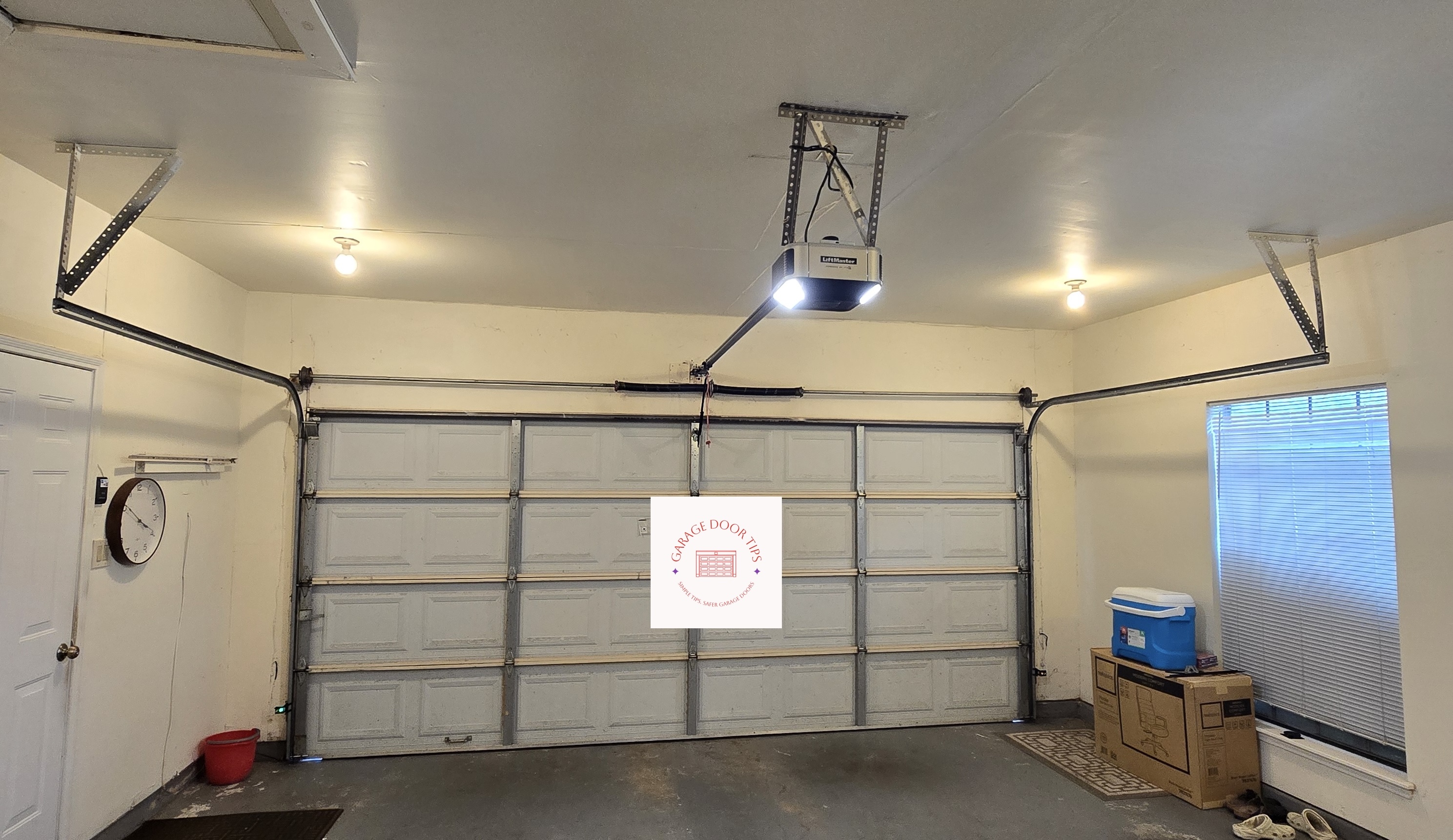
How to Lubricate Hinges and Rollers

  • Close the garage door: The door should be in the closed position before you start.

  • Turn off the opener: This is just a safety precaution.

  • Use the right lubricant: We recommend a silicone spray or a specific garage door lubricant. Avoid grease, WD-40 (unless you’re trying to clean something off), and heavy oils.

  • Lubricate the hinges: Apply a small amount of lubricant to the pivot points of the hinges. These are the spots that bend and move.

  • Lubricate the rollers: Spray lubricant directly into the roller bearings. Do not lubricate the roller stems or the tracks.

  • Operate the door: Open and close the door a couple times to ensure the lubricant spreads around the necessary parts.

  • Wipe away excess: If you notice any drips happening, clean them up to prevent dust from collecting.

How Often to Lubricate

Lubricate the hinges and rollers every 3-6 months or as necessary if you start hearing more noise or the door is sticking in places.

Some Tips

  • Do not lubricate the tracks. Keep them clean instead.

  • Nylon rollers with sealed bearings will require minimal lubrication if any at all.

  • Metal rollers and hinges benefit the most from regular lubrication.

genie-screw-drive-opener-repair
genie-screw-drive-coupler-install
Safety Sensor

Safety Sensor Reverse

Safety sensors on garage doors became mandatory components in the early 1990s. This was after incidences where automatic garage doors closed on people, pets, and objects leading to injuries and even death increased. In response, updated U.S safety standards. New regulations were put in place in 1993 whereby all new automatic garage door openers sold in the U.S had to be equipped with a photoelectric safety reversing system. This type of sensor relies on an invisible infrared beam that is placed close to the door opening bottom. If the beam is blocked when the door is closing, that triggers the door to stop its movement and reverse its direction. The choice of this reasons was that children or small objects would trigger the beam to stop the door.

Importance of Testing the Safety Sensor Reverse

The safety sensor reverse mechanism prevents the garage door from closing on a person, pet, or object. A malfunctioning reverse mechanism may cause the door to fail to close, posing a serious security risk.

Steps to Test the Safety Sensor Reverse Mechanism

  • Clear the tracks

  • Move all obstructions from the area around the sensors on the door tracks.

  • Check the sensor alignment

  • The two sensors must be pointed directly at each other. If one of the sensors is hit or knocked out of position, the mechanism can be disabled. Most sensors display a steady light when properly aligned.

Use a solid object

  • Put a solid object, such as a box or wood board, in the door's path.

  • Push the wall button to close the door.

  • The door must immediately stop and reverse.

  • If the door doesn’t reverse, the sensors are defective or misaligned.

Wave your hand

  • As the door descends, wave your foot or a broomstick in front of the sensors.

  • The door must instantly stop and reverse.

Test the sensor lights

  • A solid light usually indicates proper alignment.

  • If the light is blinking or off, the sensors are likely misaligned or there may be wiring or sensor problems.

Clean the lenses

  • Clean the sensors' lenses with a clean cloth. Signal interference may be caused by dust, dirt, or cobwebs.

Check the wiring

  • Check the sensor wires on the wall and track location for loose, frayed, or pinched wires.

  • Possible Indications that a Safety Sensor Adjustment Is Required

  • The door closes only when holding the wall button.

  • The door starts to close but immediately opens.

  • The sensor light blinks or is off.

  • The door does not close.

liftmaster-opener-install-LED
overhead-legacy-opener-repair
steelback-garage-door-repair
FAQs

Frequently Ask Questions

How often does the US get major Winter Storms ?

The U.S. is hit by 5–10 major winter storms annually, but their number and intensity change based on location and other factors.

National average

  • Each year, the U.S. reels under 5–10 major winter storms that hit broad areas, disturb travel, or cut power supply.

  • High-impact storms that spread across regions hit every year, 2–4 times in winter.

Region-wise

  • Northeast & Midwest: Major winter storms every year while there are 1–3 significant ones in-between.

  • Great Plains & Upper Midwest: Winter storms are common with a few in a season, although not all of them are serious.

  • Southeast: Major winter storms appear every few years (1 time); they cause extensive damage.

  • South & Texas: These regions see a major winter storm every 5–10 years, but since they have less infrastructure, the blow is severe.

  • Mountain & Northwest regions: Each year, there is at least 1 heavy snowstorm in these areas, particularly in the higher-altitude locations.

Impact of climate patterns

  • El Niño and La Niña are known to influence the number and magnitude of storms.

  • Thanks to climate change, winters have become harsher, with unusual and more severe events like heavier snow in particular areas and intense ice storms.

What are the best tips for snow storms?

Before It Snows

  • Stay informed with the forecast

  • Gather important items and stock up on supplies

  • Make sure your devices are powered up and have a back-up battery

  • Prepare your house and your car

  • Keep your garage door maintained

While It Snows

  • Stay off the roads

  • Dress warmly

  • Use space heaters cautiously

  • Keep faucets slightly open to prevent pipes from freezing

  • Stay alert and informed

If the Power Goes Out

  • Use flashlights

  • Keep your fridge closed

  • Coordinate in one warmed room

  • Avoid using fuel-burning devices indoors

After the Storm

  • Clear it safely

  • Watch for ice

  • Inspect your garage door

  • Check your roof and gutters

Additional Tips

  • Don’t wear inadequate clothing while shoveling

  • Check on your neighbors and secure your pets

Prices

Our Prices

City / Service Service Call Maintenance Spring Replacment Opener install Door Install
New York, NY Free $75-$145 $275 - $419 $625 - $955 $1050 - $2500
Los Angeles, CA Free $75-$145 $275 - $419 $625 - $955 $1050 - $2500
Chicago, IL Free $75-$145 $275 - $419 $625 - $955 $1050 - $2500
Dallas, TX Free $75-$145 $275 - $419 $625 - $955 $1050 - $2500
Houston, TX Free $75-$145 $275 - $419 $625 - $955 $1050 - $2500
Washington, DC Free $75-$145 $275 - $419 $625 - $955 $1050 - $2500
Philadelphia, PA Free $75-$145 $275 - $419 $625 - $955 $1050 - $2500
Atlanta, GA Free $75-$145 $275 - $419 $625 - $955 $1050 - $2500
Miami, FL Free $75-$145 $275 - $419 $625 - $955 $1050 - $2500
Phoenix, AZ Free $75-$145 $275 - $419 $625 - $955 $1050 - $2500
Boston, MA Free $75-$145 $275 - $419 $625 - $955 $1050 - $2500
San Francisco, CA Free $75-$145 $275 - $419 $625 - $955 $1050 - $2500
Riverside, CA Free $75-$145 $275 - $419 $625 - $955 $1050 - $2500
Detroit, MI Free $75-$145 $275 - $419 $625 - $955 $1050 - $2500
Seattle, WA Free $75-$145 $275 - $419 $625 - $955 $1050 - $2500
Minneapolis, MN Free $75-$145 $275 - $419 $625 - $955 $1050 - $2500
San Diego, CA Free $75-$145 $275 - $419 $625 - $955 $1050 - $2500
Tampa, FL Free $75-$145 $275 - $419 $625 - $955 $1050 - $2500
Denver, CO Free $75-$145 $275 - $419 $625 - $955 $1050 - $2500
St. Louis, MO Free $75-$145 $275 - $419 $625 - $955 $1050 - $2500
Baltimore, MD Free $75-$145 $275 - $419 $625 - $955 $1050 - $2500
Charlotte, NC Free $75-$145 $275 - $419 $625 - $955 $1050 - $2500
Orlando, FL Free $75-$145 $275 - $419 $625 - $955 $1050 - $2500
San Antonio, TX Free $75-$145 $275 - $419 $625 - $955 $1050 - $2500
Portland, OR Free $75-$145 $275 - $419 $625 - $955 $1050 - $2500
Contact Us

Get In Touch

First Name *

Last Name *

Email *

Phone *

Address *

Answer of 10 + 10

Go Back Top